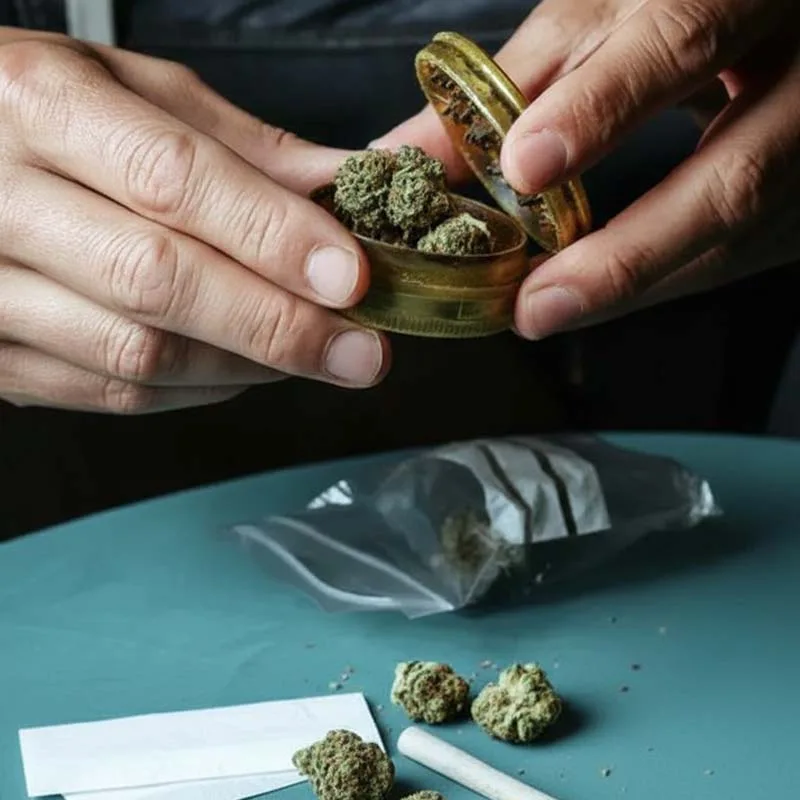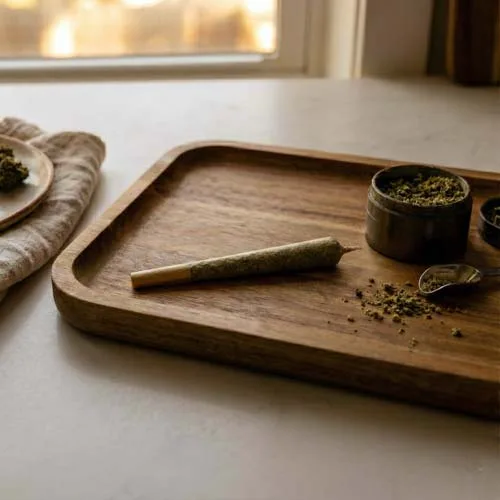

Learning the basics of how to make edibles helps you turn simple ingredients into infused treats that feel creative, fun, and rewarding. You take everyday recipes and elevate them with long-lasting effects and deeper body relaxation. With a little science and a steady approach, you can make edibles that taste great and feel consistent every time.
In this guide, you’ll learn how to make weed edibles step by step. You’ll see how to decarb cannabis, how to infuse butter or oil, how to use tinctures, and how to dose safely. You’ll also see how to make cannabis edibles more consistent over time with better tracking. Finally, you’ll find storage tips, strain pairing ideas, and helpful ways to ensure a delicious edibles snack or meal.
If you’re brand new to cooking with cannabis and just starting to explore how to make edibles at home, start here, take your time, and remember you can always eat more later, but you can’t eat less. You are building a skill that gets better with every batch, especially as you learn more about making weed edibles at home safely and confidently.
The rest of this guide walks through each part in more detail so you can follow these steps with confidence.
Terpenes shape the smell and taste of each strain. When you match those notes with the right recipe, your edibles feel more intentional and enjoyable. This is where making cannabis edibles becomes a creative kitchen project, not just a science experiment.
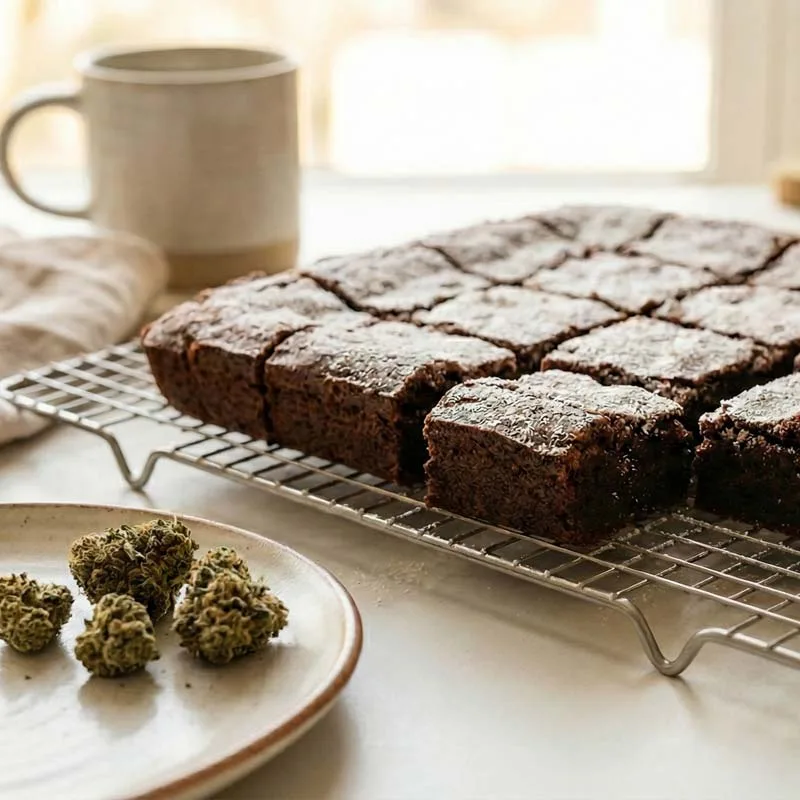
Strains with cookie, cake, vanilla, or chocolate notes shine in brownies, cookies, blondies, and cupcakes. Their natural sweetness blends smoothly with sugar and cocoa for dessert-style homemade edibles.
Berry, grape, or tropical strains pair well with muffins, fruit bars, tarts, and sorbets. Match berry-forward strains with blueberries or strawberries, and tropical strains with pineapple or mango.
Citrus-forward strains work beautifully in lemon bars, citrus shortbread, and orange-glazed cakes. Many people enjoy these strains earlier in the day because they often feel bright and uplifting.
Earthy, piney, or gassy strains pair naturally with garlic bread, roasted potatoes, pasta, and infused olive oil dishes. These choices can help you explore how to make your own edibles that are not sweet at all.
If you enjoy exploring pairings and techniques, keep reading our other guides in the cannabis how to section. You can learn how to grind, store, and enjoy cannabis in many different ways.
Dosing is the heart of safe, enjoyable edibles. Because edibles last longer and feel stronger for many people, it is wise to respect them. Any real beginner’s guide to making edibles should emphasize dose control as much as recipes.
A common approach is to aim around 5 mg per piece and cut some pieces smaller for more cautious friends. Always talk about dose before anyone eats. That one step builds trust and comfort.
Here is a clear example using basic numbers so you can see the logic. These steps for making edibles with predictable strength rely on simple, repeatable math.
Imagine you start with 3 grams of cannabis flower at 20% THC. Three grams equal 3,000 milligrams of total weight. Twenty percent of 3,000 is 600. So your flower contains about 600 mg of potential THC.
Not all of that becomes active and infused, so we use conservative estimates:
Your finished butter or oil has roughly 240 mg THC total. If you bake a tray of brownies and cut 24 equal pieces, each piece has about 10 mg THC. Cut 48 pieces, and each portion holds about 5 mg.
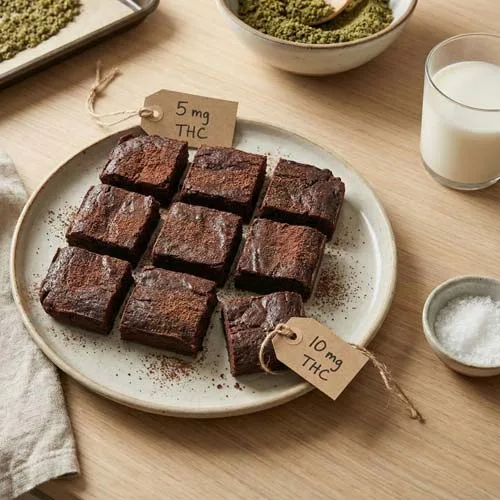
These numbers are still estimates, but they bring you much closer to an intentional dose. Over time, you can adjust strength, serving size, and recipe to match your comfort level as you refine how to make edibles that fit your body.
Raw cannabis flower is rich in THCA, not THC. THCA by itself does not create the classic high. To unlock THC, you need heat. Smoking and vaping do this instantly. Edibles need a slower, more gentle approach known as decarboxylation.
Decarboxylation removes a small acid group from THCA and turns it into THC. This first step sits at the core of cannabis edible preparation, because without it your treats will not feel nearly as strong. If you want to dig deeper into this process, you can read this helpful guide on what decarboxylation is and why it matters. Additionally, properly ground weed supports even heating, smoother infusions, and better results when you are making edibles with weed. For now, you only need to remember one idea. Before you cook with weed, you must activate it.
Decarboxylation in the oven is simple and reliable. You need an oven, a baking tray, parchment paper, and your cannabis. This gentle process is one of the key steps for making edibles that actually deliver the effects you expect.
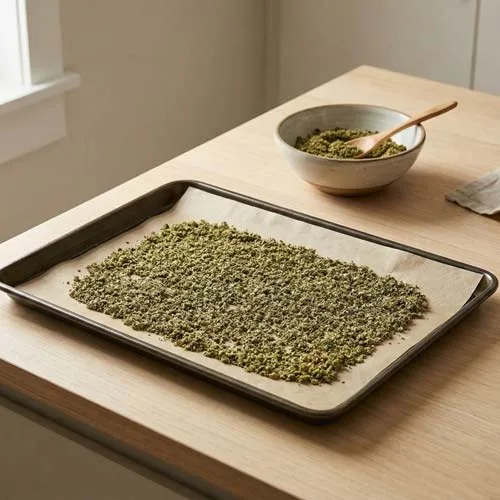
After this, your weed is “activated.” You can add it directly to food or move on to a smoother, more controlled method and infuse it into butter or oil. Either way, this is the foundation of how edibles are made in a home kitchen.
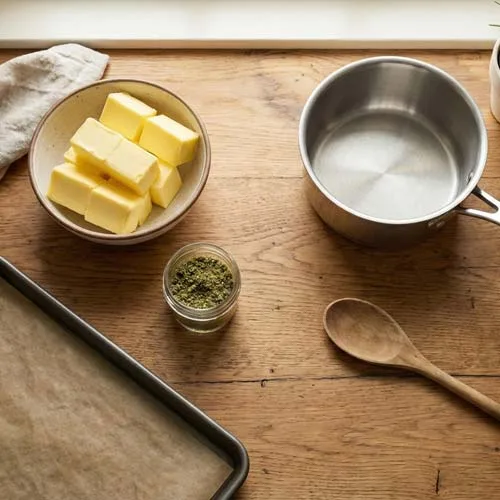
Infusing cannabis into fat gives you better texture, flavor, and dose control. Cannabinoids bind naturally to fat, which makes butter and oil perfect carriers. Once you have a jar of infused fat, you can use it in dozens of recipes and keep making homemade edibles that match your taste.
Butter, coconut oil, and ghee work very well. Olive and avocado oil are great for savory dishes if you prefer lighter options. No matter what you choose, this step is at the heart of making infused edibles that feel smooth and reliable.
Start mild if you are new to edibles. You can always eat a second small piece. It is harder to manage a batch that feels too strong. This gentle approach fits any beginner’s guide to making edibles and keeps your first attempts enjoyable.
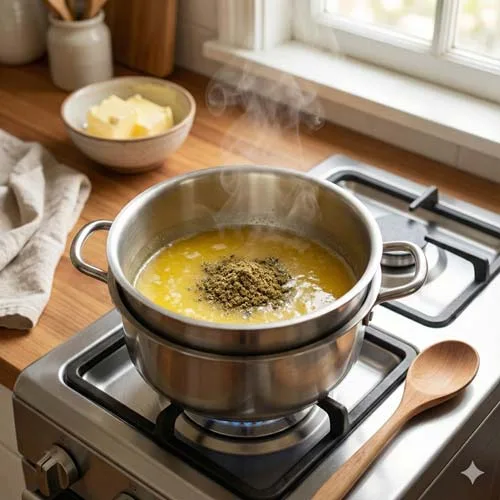
Now you have cannabis butter or oil ready for brownies, cookies, sauces, pasta, or simple toast. You simply replace some or all of the regular butter or oil in your recipe with your infused version, then bake or cook as usual. Treat it like regular fat, but always remember it is infused and active. This single infusion can power many future batches as you learn how to make your own edibles with confidence.
You do not need cannabutter for every recipe. Tinctures and cannabis oils offer flexible options, especially if you want simple dosing or dairy-free choices. These methods keep making edibles with weed accessible even if you do not want to stand over a stove for hours.
Tinctures mix cannabis with high-proof alcohol. They are potent and easy to measure. For cooking, add tinctures after cooking or at low heat to preserve potency.
This approach works well when you want to make homemade edibles in small, precise batches without changing the base recipe very much.
Many cannabis brands offer oils designed for sublingual use. These often use MCT or coconut oil and come with clear milligram labels. You can place drops under your tongue or incorporate them into food.
Always write down how many milligrams you added to each dish. That simple habit creates more predictable experiences for you and anyone you share with, especially as you learn how to make edibles that feel consistent.
Even careful cooks run into the same few issues. The good news is that they all have simple solutions. Knowing these ahead of time will make your journey into making your own edibles smoother and less stressful.
Overly strong plant flavor usually means extra chlorophyll in your infusion. This often happens when you squeeze the cheesecloth very hard to get every last drop of fat.
This can come from potent flower, a heavy ratio, or uneven cutting. If effects feel stronger than expected, remember that hydration and time help greatly. Adjusting your process is a normal part of learning how to make homemade edibles.
If your infusion gets too hot for too long, some THC can convert into CBN. Many people find CBN more sedating. If your edibles feel heavy and sleepy, your temperatures may have climbed higher than ideal.
Next time, lower the heat and use a thermometer. Slow and gentle always wins, especially when you want making infused edibles to feel pleasant and predictable.
Storage affects both freshness and safety. Treat your edibles like regular food, but add an extra layer of care for labeling and security.
Always label your containers with:

Store edibles out of reach of children and pets. A high shelf, cabinet, or closed bin works well. Good storage is just as important as learning how edibles are made in the first place.
Most people feel edibles within 30 minutes to 2 hours. The timing depends on your metabolism, what you ate, and your THC tolerance. Always wait a full 2 hours before taking more, especially with a new batch.
When you smoke or vape, THC goes through your lungs and directly into your bloodstream. With edibles, THC travels through your digestive system and then your liver, where it becomes 11-OH-THC. This form often feels stronger and lasts longer.
Many people feel edible effects for 4–8 hours or more. Planning your day around that window is part of any smart guide on making edibles with weed.
Consistency comes from measuring and tracking. Write down:
You can also explore more technique and prep tips in our guide on how to grind weed. Over a few batches, your notes turn into a personal playbook for making edibles with weed that feel more predictable.
When you learn how to make edibles at home you have control over ingredients, dose, and experience. You choose the strain, the recipe, and the moment. If you respect the steps and listen to your body, edibles will become a steady, supportive part of your cannabis routine.
Start with careful decarboxylation. Infuse butter or oil slowly. Dose low, wait, and adjust gently. Store everything with clear labels. Then keep learning, one recipe at a time. Most importantly, have fun experimenting with different strain flavors and food types. When you combine marijuana with good information and thoughtful cooking, your edibles can become one of your favorite ways to enjoy cannabis.
Mama's Ganja mission is to promote State licensed marijuana dispensaries. Additionally, we provide helpful information on recreational and medical adult use of cannabis. We operate as a legal corporate media business and provide effective local marketing for State marijuana dispensaries at an affordable cost. How can we help your marijuana dispensary business?

Copyright © 2025 New Media Roots, Inc. dba Mama's Ganja. All Rights Reserved.